
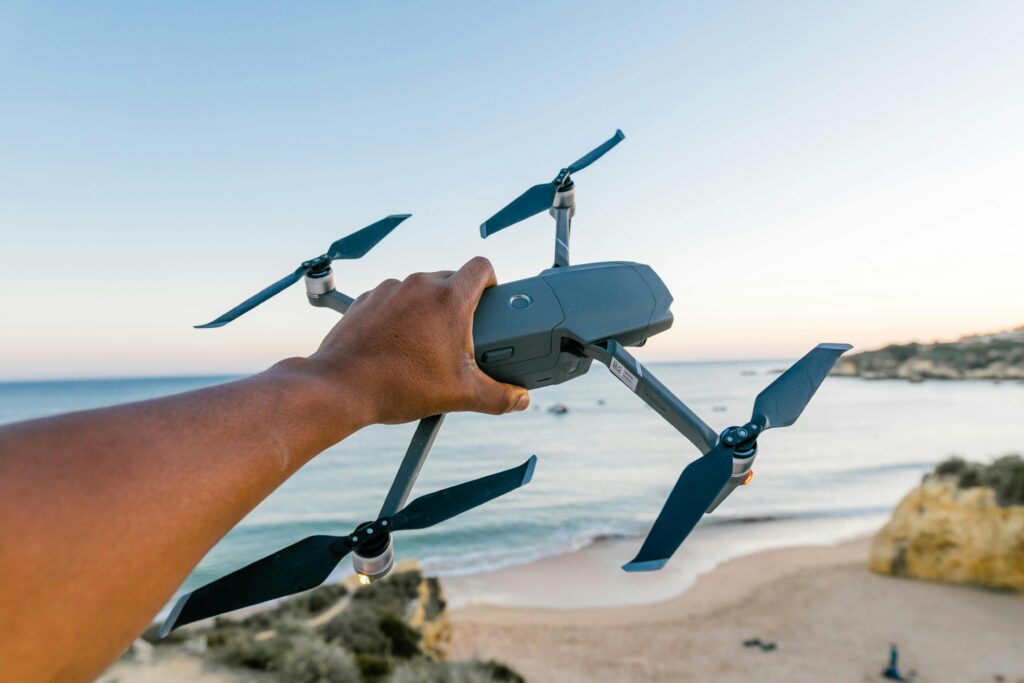
Drone photography and videography offer a dynamic, aerial perspective that transforms the way we capture the world. Using high-resolution cameras mounted on drones, creators can shoot sweeping landscapes, dramatic overhead shots, and fluid motion footage that was once only possible with helicopters or cranes.
Whether it’s real estate, weddings, tourism, events, or cinematic projects, drones bring a fresh, eye-catching angle to visual storytelling. With advanced stabilization, GPS tracking, and intelligent flight modes, modern drones make it easier than ever to get smooth, professional-quality results—even in complex environments.
From capturing the perfect sunset over a coastline to filming fast-paced action from above, drone media adds depth, scale, and excitement to any project.
Drone photography and videography have revolutionized the way we capture stunning aerial shots, offering breathtaking perspectives that were once difficult to achieve. However, when it comes to flying drones in restricted areas, it’s crucial to understand the legal, ethical, and safety regulations that govern drone usage. Whether you’re a hobbyist or a professional drone operator, ensuring that you comply with the laws of restricted airspace is essential to avoid penalties and keep your operation safe.
What Are Restricted Areas for Drone Shots?
Restricted areas are regions where drone flights are either entirely prohibited or heavily regulated due to safety, security, privacy, or environmental concerns. These areas are often designated by national aviation authorities, local governments, or private landowners to ensure public safety and prevent interference with sensitive operations.
Here are some of the most common types of restricted areas where drone flights may be restricted or require special permission:
- Airports and Airspace Around Airports
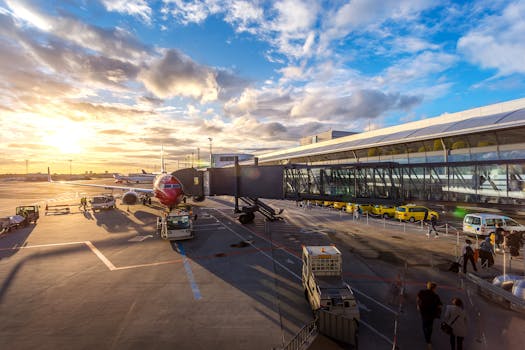
Why it’s restricted: Airports are high-traffic areas with critical air traffic control systems. Flying drones in these areas can interfere with manned aircraft, leading to potential accidents.
Regulation: Drones are typically prohibited within a 5 to 10-kilometer radius of airports unless special permission is granted. The Indian Directorate General of Civil Aviation (DGCA) and other global aviation bodies impose strict rules to ensure drones do not disrupt aviation operations.
How to comply: Drone operators should check for no-fly zones and seek explicit approval if they wish to operate in these areas.
- Military and Government Installations
Why it’s restricted: Military bases and government buildings are considered sensitive areas that could pose national security risks if accessed by drones.
Regulation: Many military zones, government buildings, and strategic locations like embassies are prohibited for drone flights to safeguard security and prevent espionage.
How to comply: If drone operators need to film near such sites, they must obtain specific permits from the concerned authorities.
- Wildlife and Environmental Protection Areas
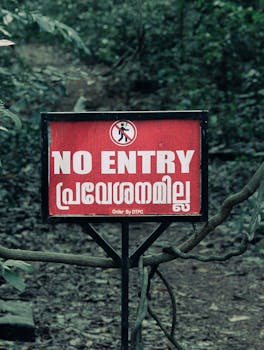
Why it’s restricted: Drones can disturb wildlife, especially in national parks, wildlife reserves, and other ecologically sensitive areas. Many species are easily stressed by aerial noise and movement, disrupting their natural habitat and behavior.
Regulation: Flying drones in such areas is often restricted or requires specific approval from environmental authorities or park management.
How to comply: Operators must research specific regulations for nature reserves and ensure that their flight does not negatively impact the local ecosystem.
- Urban Areas and High-Density Locations
Why it’s restricted: Drones flying over densely populated areas pose a risk to public safety, as malfunctions or crashes could harm people or property. Additionally, privacy concerns often arise when flying drones over residential areas or commercial properties.
Regulation: Many cities and municipalities impose local restrictions on drones, such as limitations on altitude or flight times, or entirely prohibiting drone flights in highly populated zones.
How to comply: Always check local municipal regulations and be mindful of privacy laws before flying drones over urban areas. Many cities now require drone operators to get a permit for such flights.
- No-Fly Zones and Temporary Restricted Zones
Why it’s restricted: Certain events, such as large public gatherings, protests, or emergency situations, may trigger temporary no-fly zones. Similarly, airspace is sometimes restricted due to factors like weather conditions or military exercises.
Regulation: Temporary no-fly zones can be set up with little notice. In India, and worldwide, authorities often release updates on no-fly zones through airspace alerts or government channels.
How to comply: Keep an eye on local authorities’ announcements, and make sure that your drone’s geofencing features are enabled to avoid flying into restricted airspace.
- Private Property and Privacy Considerations
Why it’s restricted: Flying a drone over private property without permission can violate property rights or privacy laws. Property owners may not want drones hovering over their land or homes.
Regulation: In many countries, including India, flying a drone over private property without permission could lead to legal repercussions, including fines or lawsuits.
How to comply: Always seek permission from property owners before flying drones over private land and be aware of local privacy laws regarding aerial photography.
How to Legally Fly Drones in Restricted Areas:
Seek Permissions & Licenses: In many cases, drone operators must apply for permits before flying in restricted airspace. Whether it’s near airports, government buildings, or private property, obtaining clearance is crucial.
Use Geofencing Technology: Modern drones are equipped with geofencing capabilities that prevent the drone from entering restricted airspace. Always ensure that the drone’s geofencing system is activated to avoid unintentional violations.
Follow the DGCA Guidelines: In India, the DGCA provides guidelines and policies for drone operations, which include altitude limits, no-fly zones, and licensing requirements for commercial drone pilots. Make sure to comply with these rules for legal and safe drone operations.
Work with Professionals: If you’re planning to film in sensitive or restricted areas, it’s advisable to work with experienced and licensed drone operators who are familiar with the legalities of such zones.